
The Photo Essay: Give it Your Best Shot
Updated: Nov 7th, 2024
We’ve been talking about photo essays. We began by looking at SoundSlides, a dated but decent product to use to help you produce engaging photo stories. So, today, I want to talk more about the actual essay itself. However, having a tool to write with does not guarantee the ability to write. Similarly, getting published does not necessarily mean that one can write well. There are plenty of poorly written books out there. But I digress. Let’s discuss the photo essay. The photo essay is not much different from any other written essay or story. It should have a simple but clearly defined flow with a beginning, middle, and end. The objective is to tell a story using a limited number of photos, typically 5 to 35 images. These images must take the viewer on a journey similar to a plot line, all within a period of 3 or 4 minutes. In this post, I aim to provide you with a list of the essential elements of a photo essay or a shot list. While some people may use different names for these elements, the concept is the same.
Not all Photo Stories Are Created Equal
Photo essays come in many forms. Some follow a linear event over time, like a race or journey, while others focus on a specific subject or theme. For instance, my essay on “The Last Hat Maker” explores a unique craft, and “Thaipusam” captures a cultural event. Regardless of type, a photo essay should be composed of images that each tell a standalone story while collectively creating a cohesive narrative. Every photo must be strong on its own; a few great images can’t carry an essay filled with mediocre ones. Each shot should contribute meaningfully to the story. Below, we’ll explore how different types of shots play distinct roles in a photo essay.
Before diving into shot types, let’s talk about preparing for the essay itself. Many students start shooting and hope the story will emerge as they go along. Instead, I recommend beginning with observation. Take time to explore the environment and connect with people—“keep your eyeballs peeled,” as my dad would say. Look for themes or moments that resonate; often, a story will present itself naturally. Alternatively, assignments can be effective, as most photojournalists work this way. Regardless of the approach, you need to understand what you’re capturing before picking up the camera, which requires patience and careful observation.
A shot list can also be incredibly helpful. For example, with the “Cheese Man of Kashmir,” I knew I needed shots of milk being poured and of Chris with his Gujjar associates. Developing a shot list in advance can provide direction, though it’s essential to remain flexible. More shots are always better than too few.
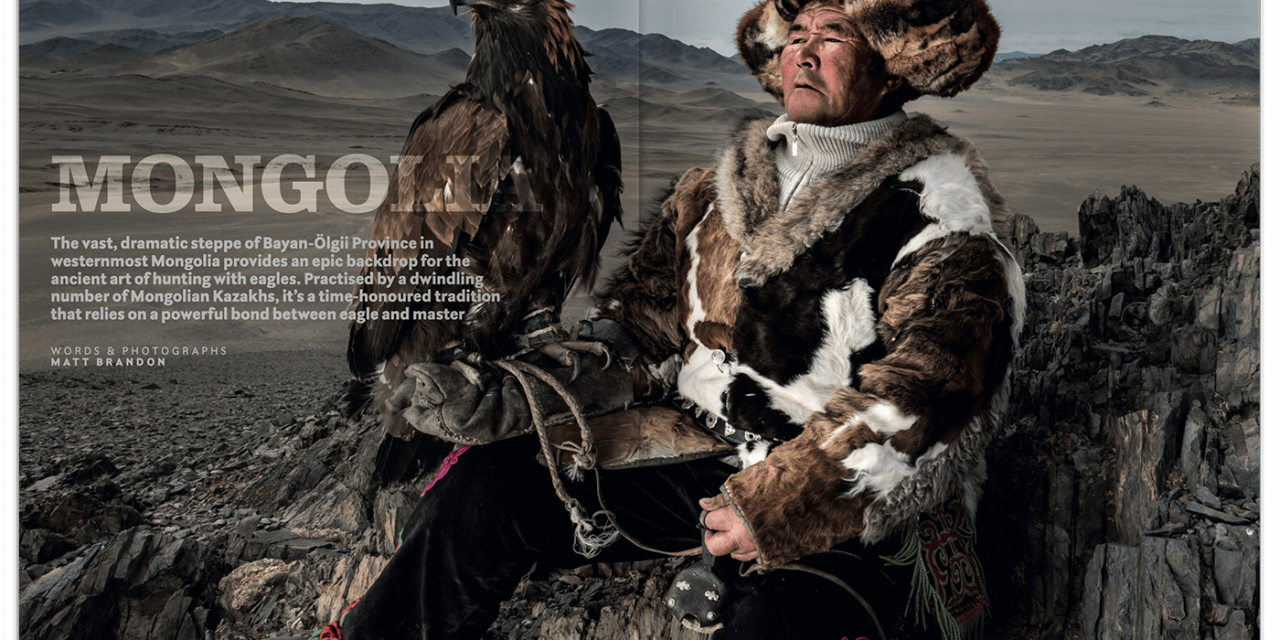
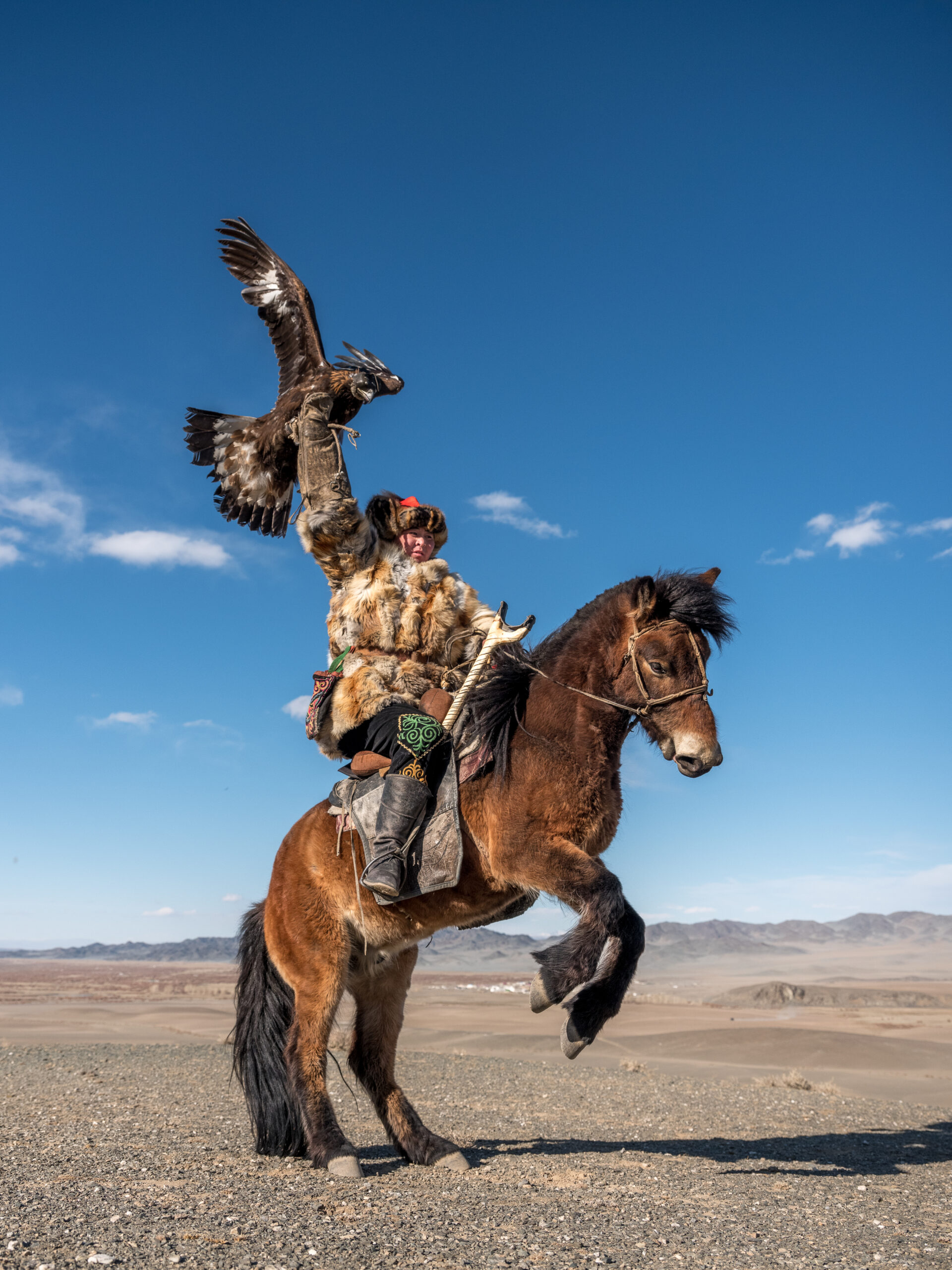
To flesh out this concept, let me use my own essay on Mongolian Eagle Hunters, which appeared in the May 2019 issue of National Geographic Traveller. I’ll draw from the photos in this essay to illustrate each type of shot and how they contribute to the story.
My Shot List
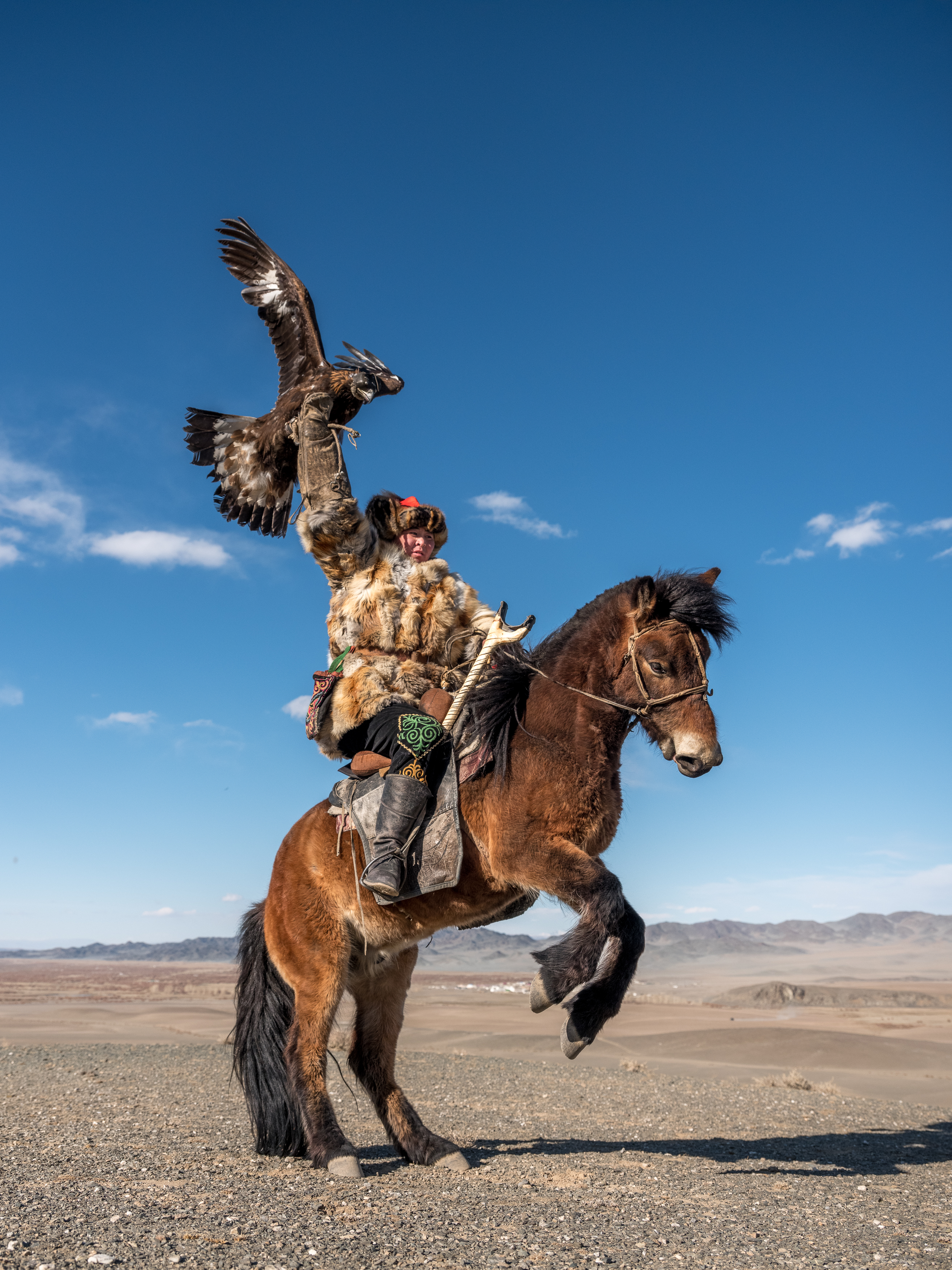
1. Hook Shot.
Often called a lead shot, the hook shot is what grabs attention and pulls viewers into the photo essay. Sometimes, it’s the first shot; other times, it’s used as the essay’s cover or thumbnail. This image should be visually striking, intriguing, and make viewers curious to learn more. It’s similar to the opening line of a novel, like the captivating start of Jaws: “The great fish moved silently through the night water…” A strong hook shot should captivate just as powerfully.
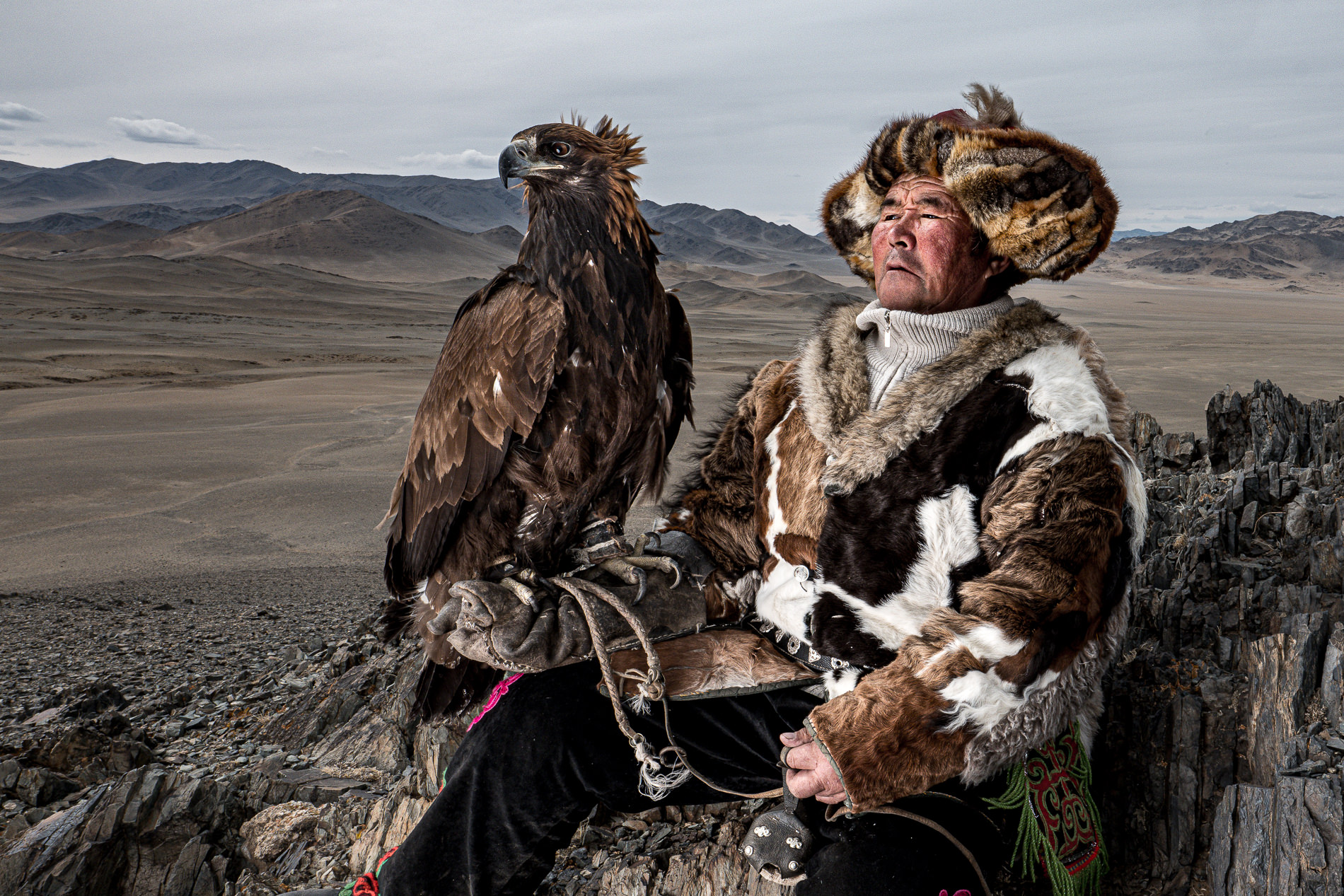
In this photo, the eagle hunter on horseback was the lead shot, and it appears in the table of contents of the issue May 2019 issue.
2. Establishing Shot.
The establishing shot sets the scene, providing viewers with a sense of place and context for the story. Often a wide shot, it captures the environment where the story unfolds or where the character works or lives. Typically, this is one of the first images in the essay. It’s like the opening description in a novel, painting a visual backdrop for the narrative—think of the classic line, “It was a dark and stormy night…”
Nat Geo chose this shot to establish who the eagle hunters are and where they live in one photo.
3. Context Shot.
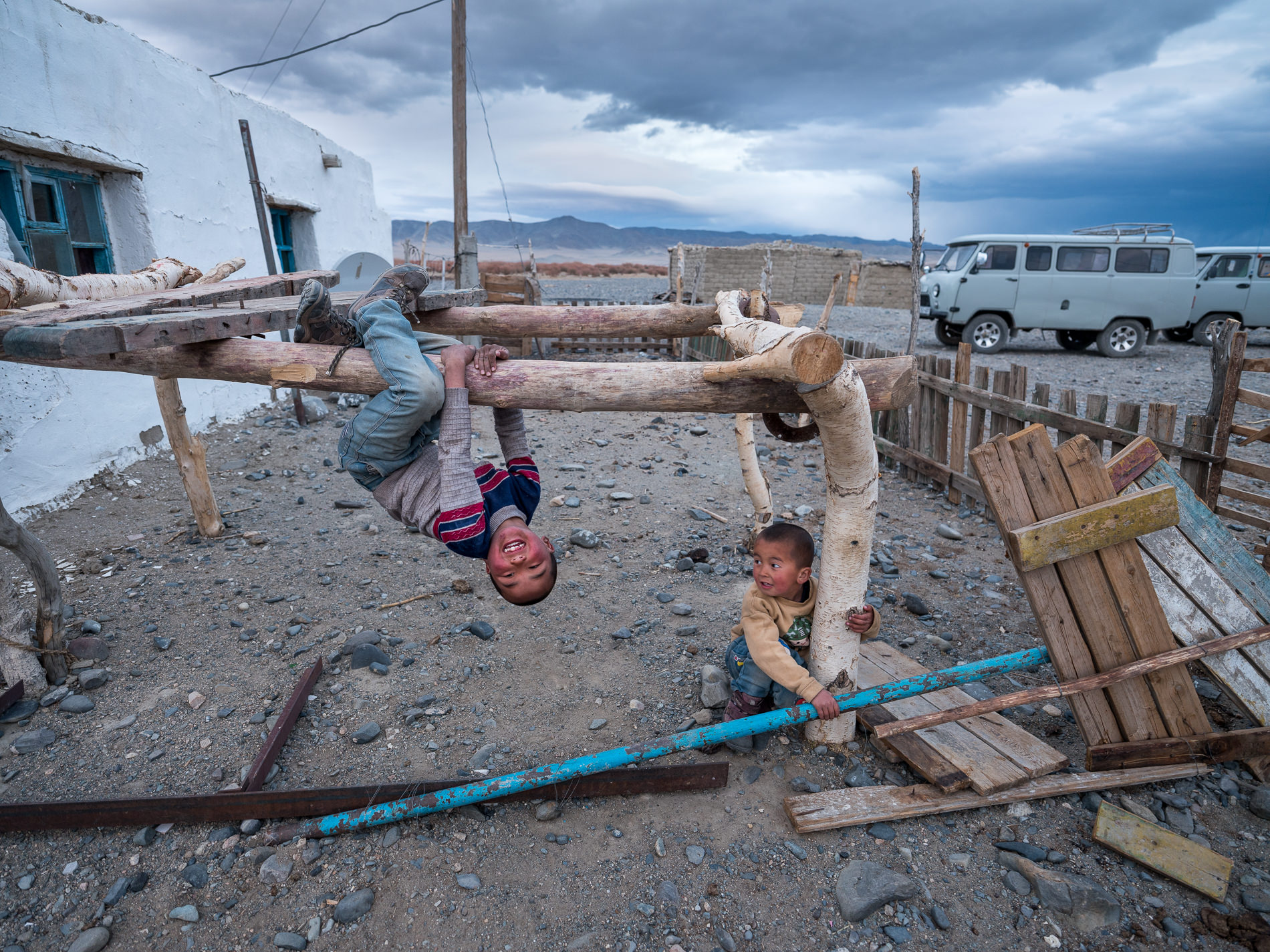
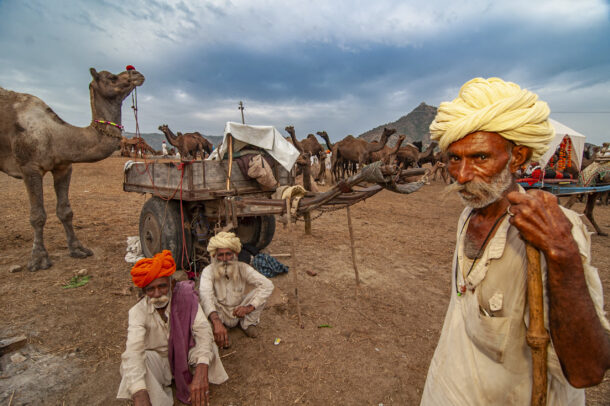
At this stage, momentum is building, and the Context shot introduces the viewer to the characters and their actions. This shot typically includes both the subject and the surrounding environment. If people are featured, it often shows two or three individuals interacting. Alternatively, it might depict someone working, but the framing is wide enough to include their setting. Unlike a detail shot, the context shot reveals the subject’s relationship to their environment, grounding the story in a specific place.
Here, two young Mongolian boys play outside their home.
4. Detail Shot.
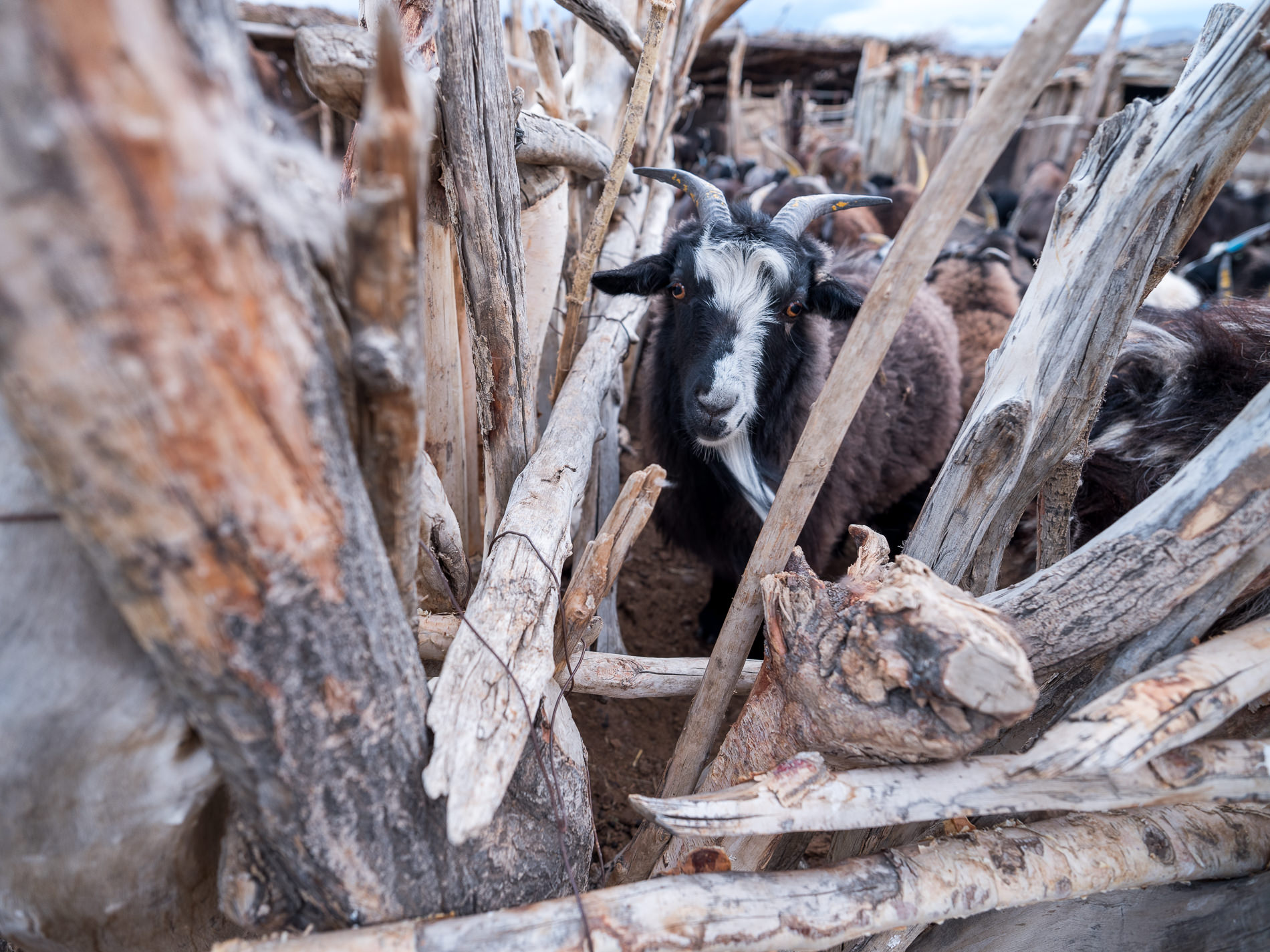
As the name suggests, the detail shot focuses on the finer elements, adding depth and flavor to the story—like spices in a soup. These shots create intimacy between the viewer and the scene. Imagine a story where characters move through bland, featureless spaces—it would lack context. Similarly, detail shots ground a photo essay, offering a sense of place and anchoring the story, making it feel real and connected to its environment.
Here, the Editors used this “portrait” of a goat tangled in the wooden fence to give this story depth and texture.
5. Portrait shot.
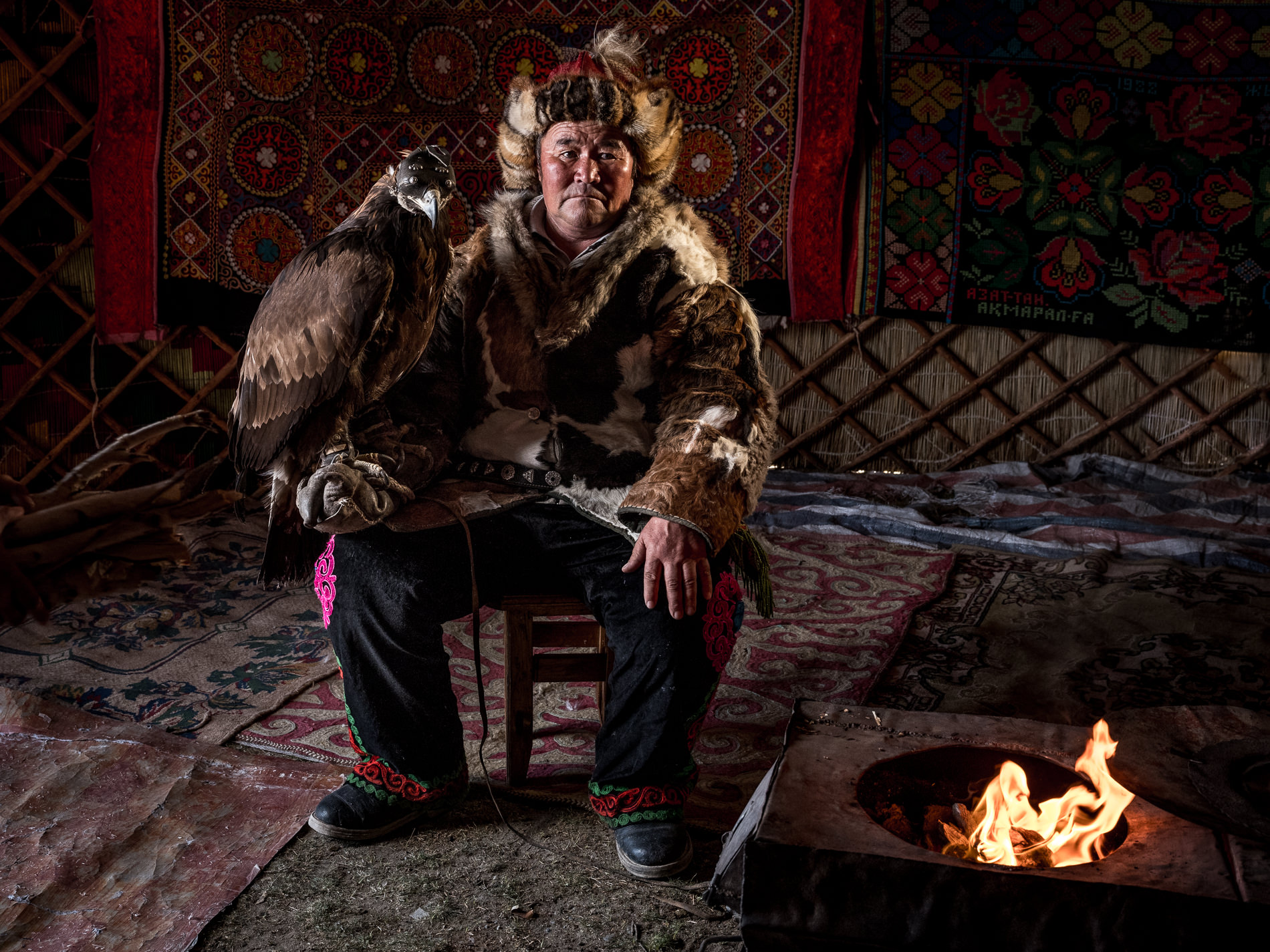
A portrait shot typically focuses tightly on a person’s face, but it can also include a tight environmental portrait, showing the subject in their surroundings. This shot is essential because it personalizes the story, giving viewers a direct connection to the character. Even if your subject isn’t human, a portrait shot can still be valuable—such as capturing a racehorse’s face in a story about its life, offering the same emotional connection.
You can’t get a more classic portrait than this shot of the lead in the story.
6. The Gesture.
Some call this the Exchange Shot, but I prefer “gesture” because it conveys more than just an exchange. This shot typically involves movement or interaction, often between two people, but it doesn’t have to. Gesture shots prevent a photo essay from becoming a series of static portraits, adding a sense of action, rhythm, and energy to the story, drawing the viewer deeper into the narrative and revealing layers of emotion or intention.
In this example, the editor used the same image as both the Hook and Gesture shots, demonstrating that movement doesn’t always require multiple subjects—a single moment alone can effectively convey powerful energy and intent.
Contrary to common belief, a photo essay doesn’t require every one of these shots. While incorporating most can be beneficial, there are no strict rules. You can still craft an effective essay without a detail or gesture shot, though they often enhance storytelling by adding depth and nuance. The key is to focus on telling a compelling story rather than adhering to a rigid structure. So, don’t be afraid to break the rules. Think carefully through your narrative, bring this list along, and keep practicing. The more you shoot, the better you’ll get.



Thanks for this post, Matt. There is so much useful information here and I was especially encouraged to see you to speak to things that I've been learning lately. As Ray K. mentioned in his tweet, this is a very timely post.
Thank you Sabrina. I am glad you found it helpful. It's basic, but stuff we can over look at times.
Great article. I never realize some of the the “segments” of an essay exist.
Thanks Matt It makes sense – and is useful
nice article, thanks for sharing your ideas! looking forward to see more useful stuff…
Matt, thanks for such a great post. I am having to re-learn the basic tenets of story-telling as I start to form ideas for photographic projects. Yours was such a timely post as I have a road trip coming up starting on Memorial Day weekend that will have plenty of opportunities for stories. I just wanted to mention also that at its most basic any story, visual or written, should have a defined begging, middle and end – an arc.
How about a follow up post with example? Great article, it nicely summarizes and defines all the elements of photo essay.
Matt, this is a fantastic post. Really useful advice!
Hey Matt,
this is really a very interesting post! Thank you!
Not sure I know what you would like. I thought I gave you examples though out the post. You can find most of my essays and some from people I have coached HERE.
I am glad this post scratched an itch.
Yes, this is what I meant- I wanted to look through some examples of photo essays. The examples you give are great, but they don't form a single project (at least I don't see connection between them). I wanted to see how the pieces form the finished essay. Thanks.
Actually the essays Kingsley’s Crossing, Blind Wine Taster , A Corner Druggist or my essays The Last Hat Maker and Thaipusam all listed above are good examples. Also, Check out today's post called Lumen Dei Trophies: Examples of SoundSlides by our Students.
This is a very good website ! Well done (: I hope to see more websites like this in the future – THANK YOU SO MUCH
Come on! this is useless!
regards
Jack
What the hell, i think i have actually lost intelligence reading this thing. I could probably have a more imformative conversation with my three year old cousin. At least he could make something more interesting!!!
This is absolute rubbish!!!!!
Hmm, Jack and Joel your comments sounds a little like Spam. So what was the issue you had with this post?
Excellent presentation. Concise and informative and providing much food for thought.
Good post, thanks for that 😉 http://www.a2zessays.com/
i like this post.. i often read your post but not leaving any comment, may start from today i will leave a comment on every blog i read. http://www.essayslodge.com/
thats way I will leave a comment here, thank you for this article once more.
http://www.papersassistance.com/
great post
good idea
thanks.
http://www.completeessays.com/
Great post
Thanks for share. http://www.termpaperstree.com/
Great article
Really useful
Love it.
http://www.dissertationsolution.com/
I agree with all of the points keep up the good work.
http://www.essaysmarket.com/
VEry Good
Tanx ! http://www.essaysacademy.com/
just to say hello great work.. http://www.essaysaid.com/
This is a very very nice awesome work !!! http://www.bestessayslive.com/
hi
Nice article Thankxxx http://www.onlineessayspro.com/
hi
awesome!!! thx for sharing article.. http://www.bestonlinepapers.com/
hi
Great article, and I totally agree with all . http://www.thesismania.com/
Hey buddy!!!
G8 article i really like it keep up the good work im waiting for you next article. http://www.complete-essay.com/
Thank you Matt, I really enjoyed this article, as well as your site in general! Keep up the good work helping us young photographers. 🙂
Excellent and to the point article. Precisely what I was looking for…Thank you very much Matt for helping us, young Padawans…
Great information thanks for sharing this with us.In fact in all posts of this blog their is something to learn. Preliminary Research Writing | Analyzing Collected Material your work is very good and i appreciate your work and hopping for some more informative posts. Again thanks
very helpful site. i like this very much! will visit this again, soon. thank you!
This article was very helpful and informational for my research.Thank you!…..
I have read several just right stuff here. Definitely worth bookmarking for revisiting.
I surprise how much effort you put to make this sort of wonderful informative site.
May I just say what a relief to find an individual who genuinely
understands what they’re talking about on the web.
You actually know how to bring an issue to light and make it important.
A lot more people have to read this and understand this side of the story.
I can’t believe you are not more popular because
you certainly have the gift.