


What a drag.
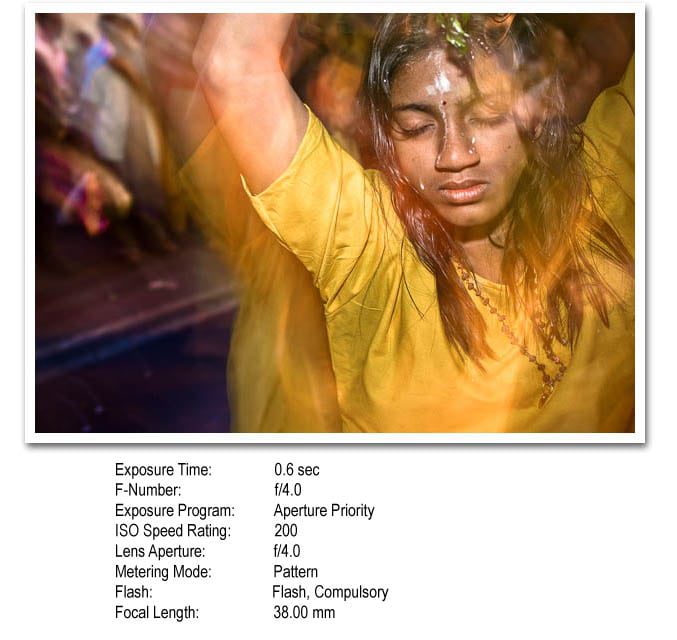
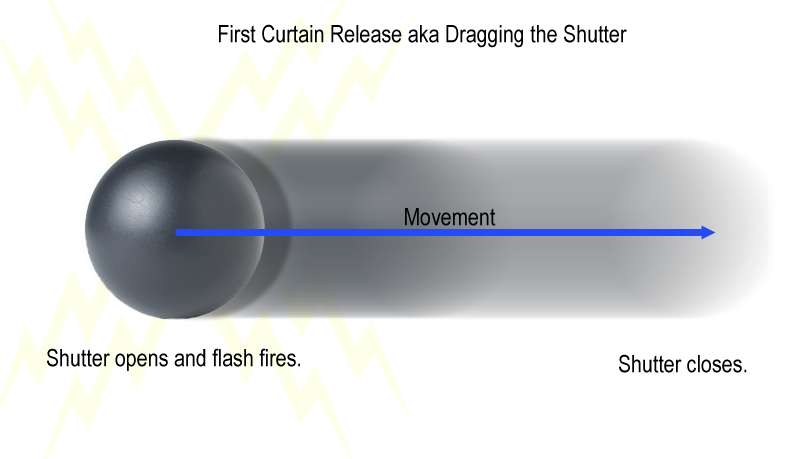
figure 1
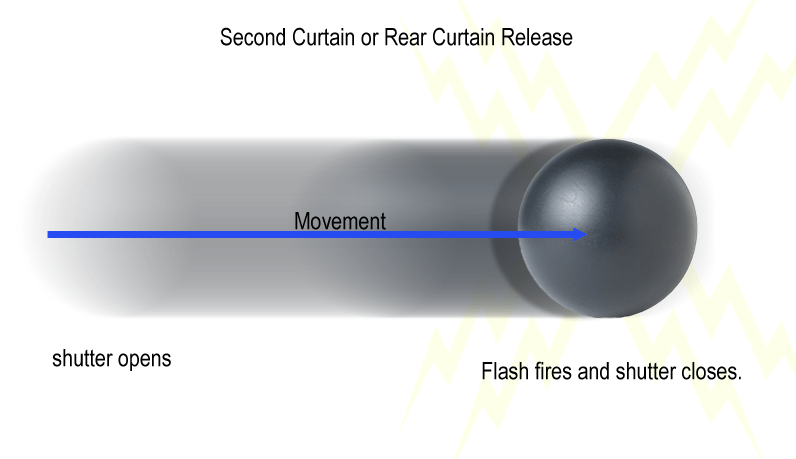
figure 2
Remember how I said, we all need to step out of our box and stretch ourselves? Well, Thaipusam was that for me. I am not referring to the strange trance state people were in, or the body piercing. I am talking about a creative stretch. I think most of you, if you follow my work, will agree this was a departure for me. And this is a good thing. I shot with my 17-40mm a lot and I use a flash, something I never do. I have always loved shooting wide. I love the strange distortions t can give a subject. But for a classic portrait it will really make someone look odd and freakish. So I tend to shy away from it and fall back to the safety of my 85mm f/ 1.2.
For Thaipusam, I knew it would be very crowded and so I would need my 17-40 mm to make the most of the close quarters I would be working in. I also knew that I would be shooting early in the morning while it was still dark and the widest aperture I can get with the 17 – 40 mm is f/4, not a flood of light at f/4. I also knew, unfortunately, that I would not be using my 5D MK II, as it is in the shop, so grain at high ISOs would still be an issue. The only answer to all this knowledge was a flash. I have a confession; flash photography intimidates me to no end. But had no choice. If I was going to use a flash then I wanted to do it creatively, not hard straight light. So why not drag the shutter? Dragging the shutter is when you use a slower shutter speed and allow any ambient light to expose the image and allowing movement within the frame. It is used a lot in wedding photography these days. By dragging the shutter in this way, the flash fires, it freezes the subject and then the shutter stays open and records the motion blur. With this method you get motion appearing to move before the subject, it can look very odd and unnatural (see figure 1). To work around this, what I did was a little different than dragging the shutter, I did what is called a second curtain or rear curtain release. In a second curtain release the shutter is opened and light is exposing the image. Any movement is being recorded as a blur. But, just before the second shutter closes, the flash fires and freezes the subject. So what you end up with is a short motion blur with a sharp image frozen at the end (see figure 2).
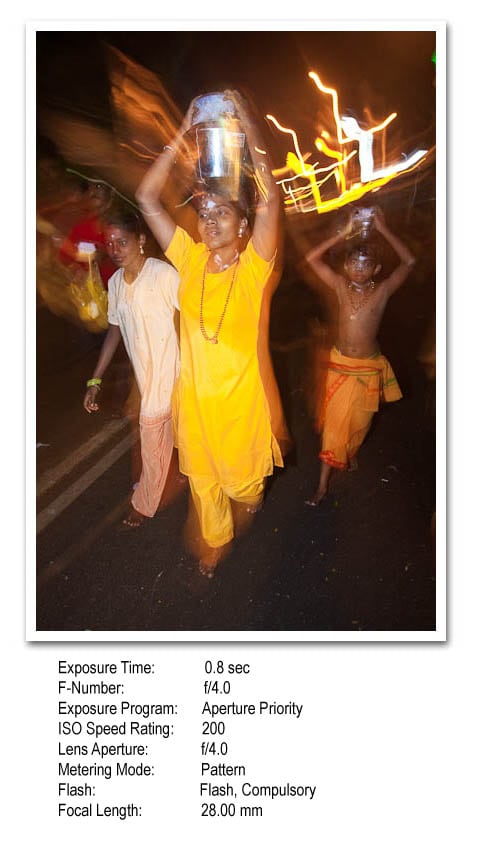
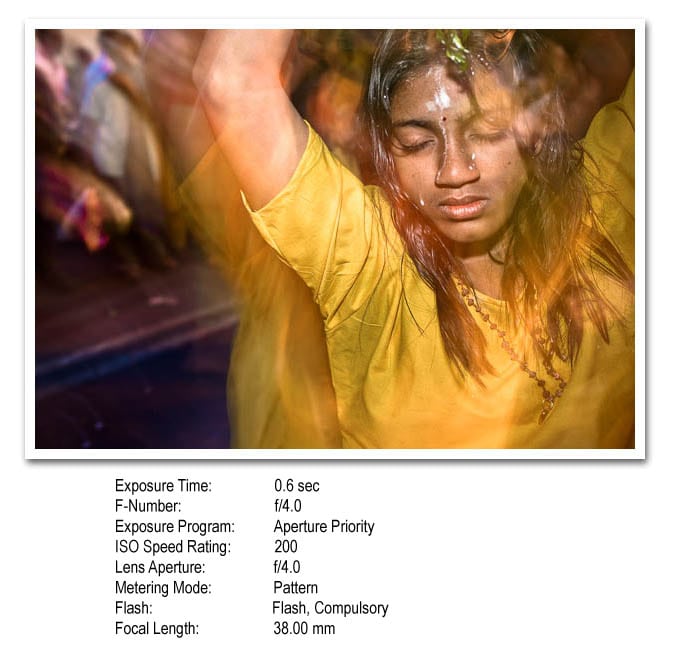
There are several issues to watch out for in doing this technique. By using the on camera flash you can use E-TTL (Evaluative-Through The Lens metering) and get the correct exposure. But when the flash is set to E-TTL it fires a test shot when the shutter opens to get the correct exposure then the shutter drags and finally the flash fires for real at full strength. This can be distracting for your subject and I think it might give you the addition of a ghost image in the frame as well. The other issue is by using E-TTL you can shoot AV (aperture priority) or TV (shutter priority). I tend to shoot always in aperture priority mode, as I am very concerned about depth of field. But when I play around with my aperture it will adjust the shutter speed and thus vary the effect of the drag. So it might be better to actually shoot shutter priority. To be honest with you, since I was really seriously playing with this method for the first time I tried every combination and at this point I am not sure what was the best method. I shot most of my images (see the EXIF data below) at f/4 and at and ISO setting of 200 or below. This gave me a shutter speed of less than a second and gave me th edesired effect.




Matt, did you mount the flash (580EX II?) on the camera or used a PC cable? Where was the flash firing, straight on, 45 degrees?
I am also trying to work this flash thing but I really get mixed results (99.9% bad, 0.1% decent – what a mix). I do love yours, especially the second image. It feels almost as she is exiting her body…
Luciano,
Yes, I shot a 580EX II. I tried shooting off at an angle and I lost too much light. I didn’t use the PC cable, though I have one. I thought about it, but decided against it. Too many wires, too heavy a camera and lens and way too many people. But using the ETTL I feel it went well and did not give me too many hot spots and blown areas. Over all I was very pleased.
Luciano,
Yes, I shot a 580EX II. I tried shooting off at an angle and I lost too much light. I didn’t use the PC cable, though I have one. I thought about it, but decided against it. Too many wires, too heavy a camera and lens and way too many people. But using the ETTL I feel it went well and did not give me too many hot spots and blown areas. Over all I was very pleased.
Matt, one last question. If I understand correctly you had the flash in its regular, 90 degrees position, metering with ETTL so no compensation. Did you use something in front of the flash or did you use it straight on? I always find that when I try to use the flash this way I get lots of hot spots. I am sure I am doing something wrong. I should start hanging out at strobist a bit more 🙂 Thanks for sharing!
Luciano, I just use a simple STO-FEN Omni-Bounce Diffuser for Canon 580EX II Flash. Nothing more.
Matt, I’m a bit uncertain as to the effectiveness of the Omni-Bounce when shooting outside. It doesn’t really increase the size of the light source, and there don’t seem to be many reflective surfaces near your subjects to benefit from the “bounce”. I’d expect the results with and without to be very similar – except that with the Omni-Bounce you’ll need more power and therefore go through batteries more quickly. Did you try shooting both with and without the Omni-Bounce and notice a difference? I think I might have to test this to see whether I can notice a difference. Perhaps even with minimal reflective surfaces nearby it makes enough difference. I’ve simply never tried it outside. Now I’m curious.
Jeffrey, Usually I stick it on and forget about it. I am not sure why they even call it a “bounce” as it really is just a diffuser. You are right about the cutting back the light and I did go through one set of AAs in two mornings of shooting. As for bouncing, like I said, there was nothing to bounce off of. I was in the middle of the street. Now, after saying that, I did have a nasty yellow cast to a lot of my images. Ok, now you have me wondering if the light was bouncing off all the yellow garments people were wearing. Could be.
It makes sense that you’d get a yellow cast if everybody is wearing yellow. Next time dress in white and bounce off yourself. Seriously. It works. You can make your t-shirt or whatever the larger light source. (But you’ll have to take the flash off the camera unless you hold it at your waist or upside down.) People will wonder why in the hell your pointing the flash at yourself and the camera in the complete opposite direction, but let them wonder. Well, as is, you’ve got some really nice photos. I wish I were there to play.