

What’s all this talk about vision?

What’s all this talk about vision?
The Taj Mahal from the forest.
Photograph by Matt Brandon
I don’t even know where this post is going. Partly, I’m posting out of discipline. Partly, I’m posting because I know there’s something in my brain that needs to be said; I just can’t put my finger on it.
Vision, vision, vision, all this talk about vision. Very few people actually define what they mean when they speak of vision and when they do, it’s often so esoteric you walk away not knowing if you just heard an artist or politician. So let me give you my take on what vision is. I’m sure I’m going to get all kinds of folks chiming in to tell me I’m either wrong or I’m limiting things. And maybe that I just don’t get it.
The way I see it, we use the word vision because it has to do with what we see. As photographers what we see is everything. Simply put, vision is the way we view our subject. Ay, there’s the rub!1, as Shakespeare would say: two people can stand side-by-side viewing the same subject and see something completely different. I could stand next to someone while looking at the Taj Mahal and we could see two different things. Really. Oh sure, we both will see a big domed white marble building, but what is it communicating? I might see it as a beautiful monument to love. And the person next to me sees it as a cruel king’s enslavement of the masses. Maybe someone else might see it as architecturally edgy for the time, paving a new direction in design. So what is it that you see when you walk the streets of Old Delhi? Do you see people struggling to make a living? Masses of poor people? Do you see ancient architecture rich with history? Maybe you see the underbelly of industry in India. It’s like this whether you’re in India or walking the streets of Dallas, Texas. What you see is unique to you.
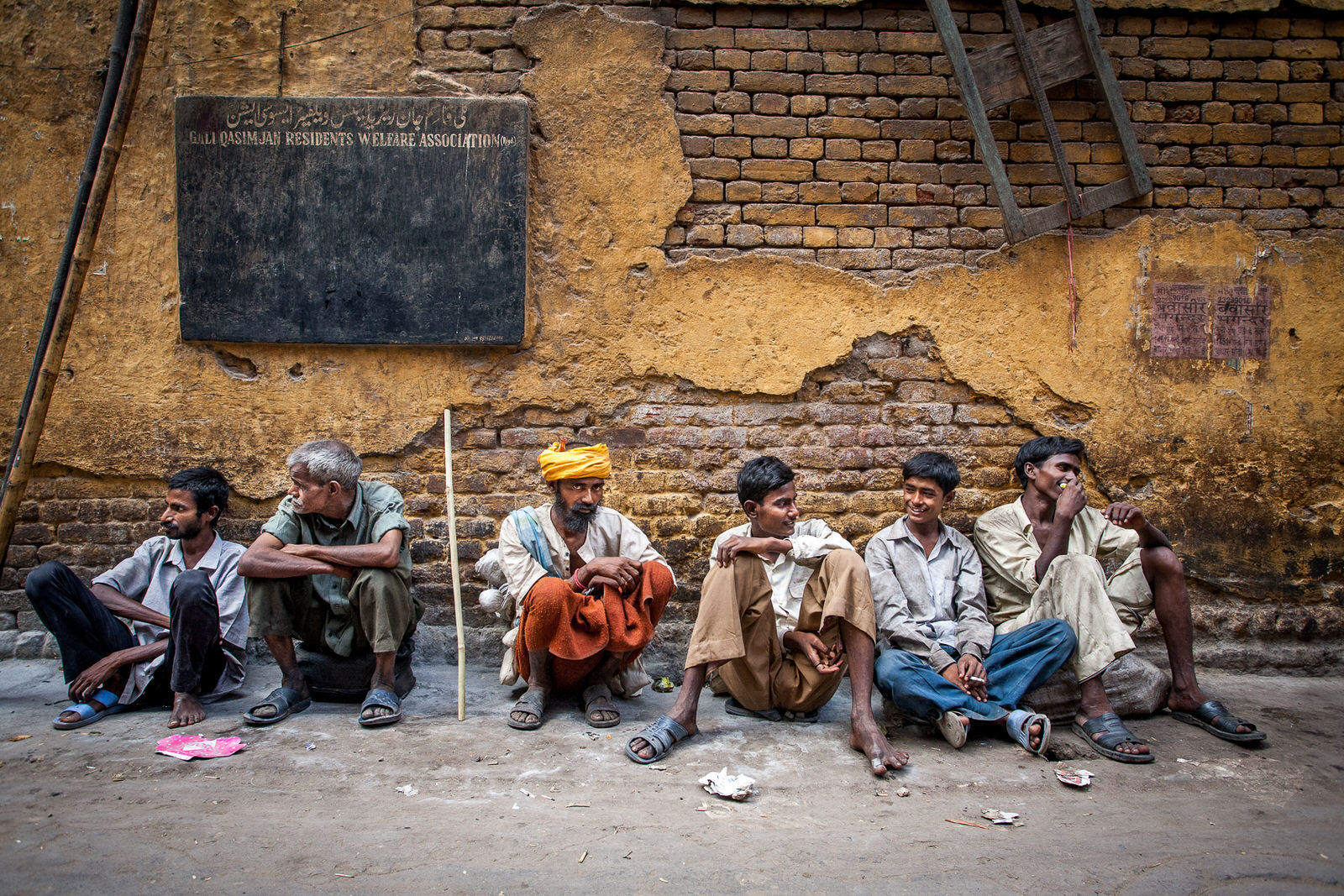
Day laybours in Old Delhi waitng for work.
Photograph by Matt Brandon
So you have to find a way to communicate what you see through the images you take. What makes this hard, and I’ll confess that I’m right here with you, is oftentimes we aren’t in touch with what we are seeing. When I go to a new place to photograph, I find it very difficult the first few days to capture any images that say anything about the way I feel about the place. Mainly because I know very little about the place and my vision is not developed. Oh sure, I’ve done my research (hopefully). Research can inform your vision, influence it, but it shouldn’t dictate your vision. You need to get out and smell, touch, look (best done without a camera IMHO) and most importantly talk to people. What are the stories they are living? What are their dreams? What’s important to them? This is very hard to do. And quite frankly, not done very often.
What happens is, we do our research and we come predisposed with ideas and opinions. We listened to people that maybe have only a fraction more experience in the environment that were photographing than we do and we let them help form our vision. This is unfair, both to the people, the place we are shooting and to ourselves.
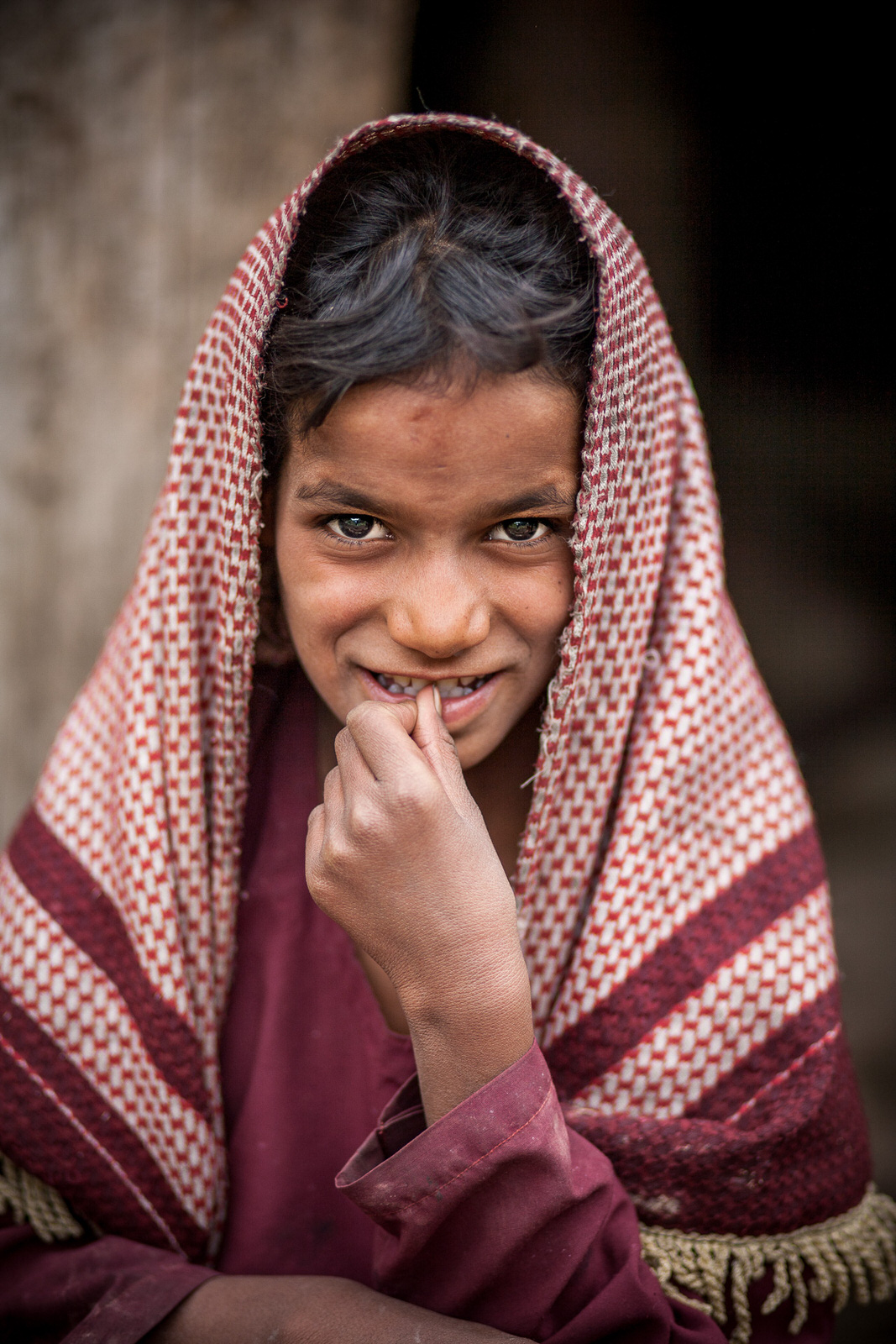
A Gujjar Child
Photograph by Matt Brandon
“We can only be as unbiased and fair as our information will allow us to be. Our vision will then have to be flawed, but it will be ours.”
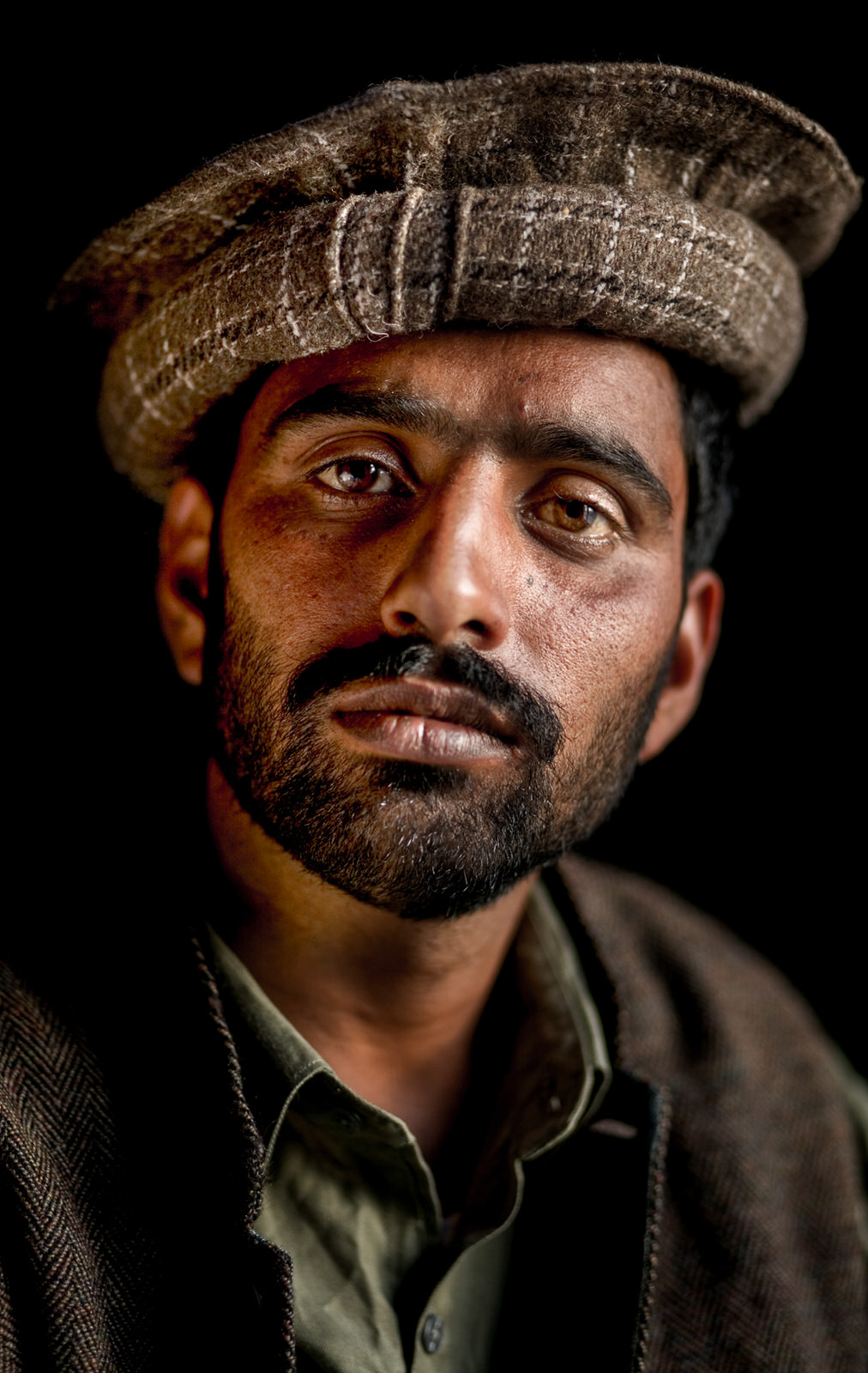
A Gujjar Man
Photograph by Matt Brandon
Here’s another added wrinkle to finding your vision: your vision is almost always influenced by your worldview. If your worldview at the core is selfish and suspicious, then you will view the world through those eyes and your photographic vision will reflect it. I’ll make this even harder. Your vision will be influenced even by something as small as the amount of sleep you’ve gotten the night before. Really. There have been several times, that I have not had a good night’s rest and woke up frustrated and grumpy. I walk the streets of the place I’m photographing with the heart of a curmudgeon. Later, I look at my images and I wonder why I shot what I shot. My worldview and my general attitude influence the way I view the people around me and that defines my photographic vision. Why would I see the Taj Mahal as a monument to love if I was feeling unloved or didn’t feel there was love in the world? Humbug! Of course, it works the other way as well, if my general attitude is that of rainbows and daisies, this will also influence the way that I see things.

A Gujjar Man with turban.
Photograph by Matt Brandon
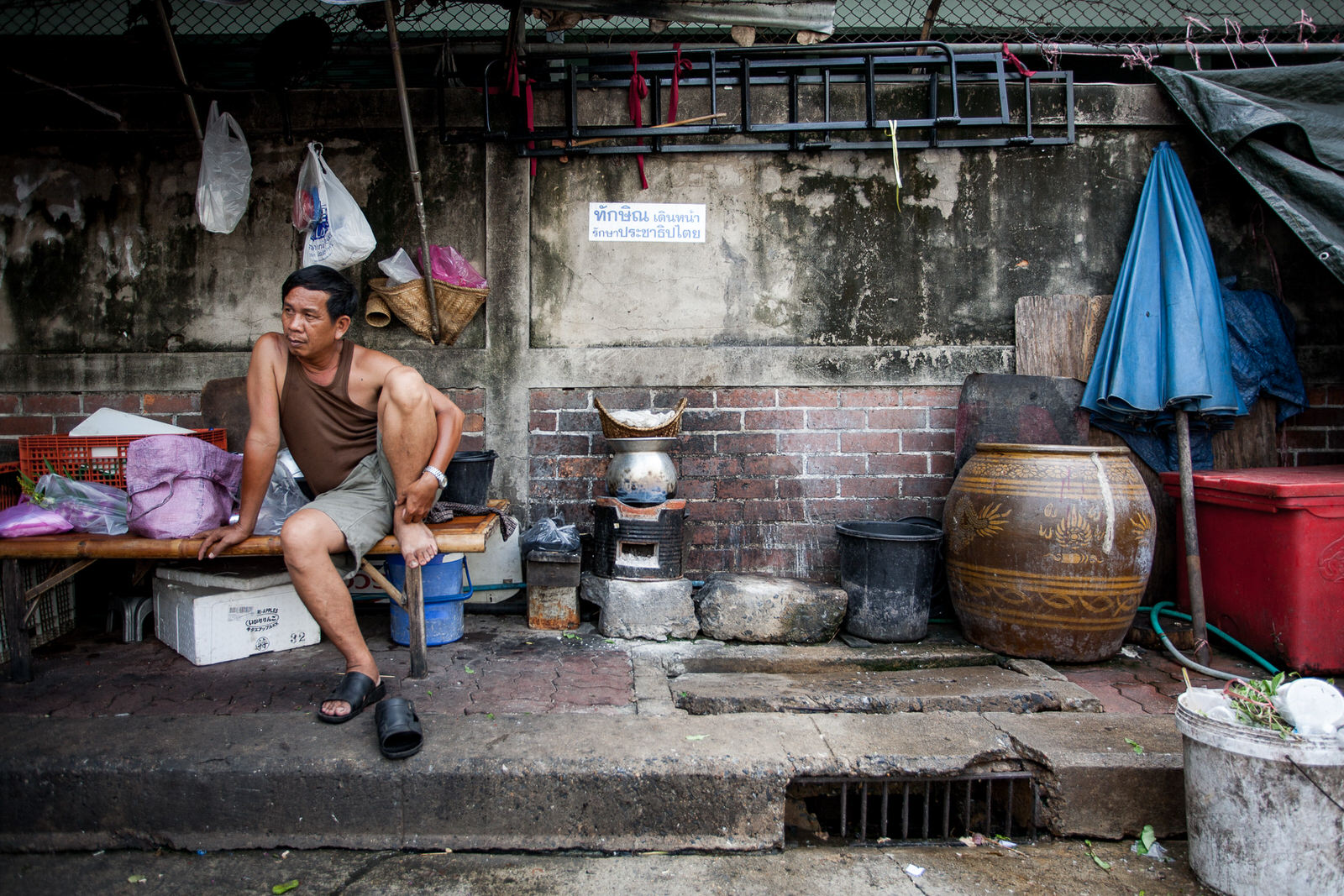
The streets of Bangkok
Photograph by Matt Brandon
I remember when I first moved to Kashmir and met the shepherd people called the Gujjars. I thought they were amazing, incredibly romantic with their long flowing shalwar kameez and beautifully wrapped turbans walking the trails of the Himalaya. They could do no wrong. How could they, they were the stuff of fairytales and adventures. Then many years later, after living with them and among them, I saw them for who they were: people, just people—but with really cool clothes. People made up of good and bad. Indeed, they could do wrong, I found that out after one young Gujjar boy stole a backpack from my camp. My point here is not that Gujjars are good or bad people. It’s that I viewed them as something they were not and it took years for me to understand that. We cannot hope to think that our vision will be unbiased and just. I don’t care whether you’re a Pulitzer Prize-winning journalist, you are influenced by your surroundings, by what you know (and what you don’t know) and by who told you those things, where you got that information. We can only be as unbiased and fair as our information will allow us to be. Our vision will then have to be flawed, but it will be ours.
I’m going to end this here because I fear I’m starting to ramble. Think about what you’re shooting; take time to ask why you’re even raising your camera at a certain subject. What is the subject saying to you and are you comfortable with what you’re hearing? Then, if your images communicate this, your vision may have just found you
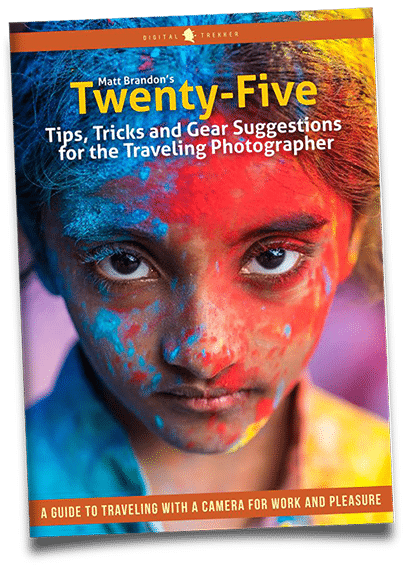
Download my eBook
“Twenty-Five Tips, Trick and Gear Suggestions for the Traveling Photographer.”


However you may feel now, Matt, but I think your rambling actually led somewhere. It's been interesting to read, as most of the times (hardworking blogger, horray), and I can't agree with you more that the way you perceive your work is how you photograph it. Of course! As with all things art photography speaks to our emotions as well (or even especially), and not only because I've not had enough sleep last night I can testify to these conditions changing your view. Not only does your emotional situation change, but also your attention to details changes. Maybe you don't see some details you'd normally perceive as important. Maybe you see different things because they pierce your tired eyes and brain more prominently than they normally would.
In any case I guess that should make me go out and photograph some, and see later how my brain plays with me. And the I'd better go catch some sleep.
Cheers for the post!
Hi Matt,
I know it may seem counter intuitive but one of the best ways I find to really encapsulate how I feel about a certain destination is to sit down at the end of the day and write about my experiences. You quickly learn that you tend to write a lot about the things that really amazed and inspired you and gloss over the things that didn't. When I wake up in the morning I re-read what I've written and it often gives me clues as to what I'll photograph that day, or at least the way in which I'll photograph it. I find that writing about stuff works better than looking back at the photos I took, because if I'm not in the zone and still searching for my vision I might have missed the photos I really wanted to take. But writing about the experiences I'm not reliant on having photographed it to remember and crystallize the emotions.
I suppose I'll be the first one with a different view on this. I tend to think that what you're describing are means to illustrate your vision (ie. the 'how', not the 'what'). Imho, you need to step back a few paces to get at vision. If I were to take a stab at it, I'd say that your vision is something like 'photographing people in developing countries, in their environments, while preserving their dignity'. That's awkward, but you get my meaning. Your vision helped to determine where you chose to live, and where you choose to hold your workshops. And then, yes it certainly helps to determine where and how you point your lens once you get there. It also determines how you interact with the people you meet and ultimately photograph.
It's because of your vision that you aren't in Paris photographing Fashion Week, Australia photographing surfers or the bottom of a river photographing endangered species.
Fwiw.
Erin, but you aren't saying that those photographers in Paris etc. don't have a vision right? They just have a different vision and we clearly identify more with Matt's. Even then ours won't be the same as his. Matt, I think your ramblings are great but I think the most eloquent part of this post is not the part that speaks of vision directly but the bit about the Gujjars. If we can apply that to life – live, learn and experience – that comes back through the lens as part of our vision. At least that is what I am working towards I think.
Erin, Thanks for the comment. You are right of course…but so am I 😉 Meaning there are levels to our vision. Or maybe a better way to put it is there are types of vision. In this post I am speaking of the vision for a specific shoot or place. You are talking about the over arching vision of the photographer. But the common denominator is that our worldview informs both of these. This larger vision is not influenced by our daily attitudes, but the larger vision does influence the lessor vision of the specific shoot.
Ed, yes that's just what I meant. And my guess is that any photographer who has developed some consistency in subject matter (whether thats fashion or Gujjars) has likely developed their vision.
Matt, I hear you. I guess the language is bugging me lol. English can be a pretty limited language.
I went to listen to Cig Harvey tonight and she pointed out the difference between “a picture of something interesting” – and “an interesting picture”. I guess to me vision is about creating what is an interestin picture – to someone else.
– Eli
Got yer panties all in a twist, do ya? 🙂 Swap the word “vision” with the word “intention” – does that help? We speak of vision as a metaphor for this very reason: it's hard to define. Vision is what you see and how you see it. Actually what you see and how you see it are the same thing. In the end it's this that matters, to me: be aware of what you think and feel, and aware of how you think and feel and want to say about the thing you are photographing (your vision and/or intent) and then use that to direct you in your aesthetic choices. The need to answer WHY? is as relevant when discussing vision as it is when discussing technical stuff. But don't let the language get to you, folks. If we could put all this into words, images wouldn't carry the power they do.
Matt, I love this part “our vision will then have to be flawed, but it will be ours.” EXACTLY!
I like this post Matt – it reminds me to be more aware of not only why I am photographing something but also to be more aware of my 'context' i.e. the amount of sleep I had and how that affects my mood, my world view/life philosophy, my history etc.etc.
Maureen
Also, I still believe we need to talk about Vision in both micro and macro. Macro is our driving paradigm or worldview. Weltanschauung. It's the big frame through which we see life – it defines what we as individuals find beautiful, ugly, just, balanced, whatever. It defines the kinds of stories we want to tell, why we tell them, how we tell them and to whom. But there's also vision in micro. It's when you and I look through the same lens at the same thing and attempt to render a translation of a 3D world into 2D. You shoot it, look at the frame and think, No, that's not it. You try again. You shift to the left, you crouch down, you put on a 28mm instead of a 50mm. You frame it horizontally. Why are you doing this? Is it just a crap shoot, hoping to get lucky and shoot something that doesn't suck? Sometimes! But generally it's because you're trying to get that 3D world into a 2D frame IN A SPECIFIC WAY that resonates with your initial vision, even if you can't completely articulate it. You know it when you see it, you work it until you achieve it. That's vision in micro. Intention.
David – you say things so eloquently! 'Intention' is one of my favorite words – another is 'clarity'
Aw, Maureen, you're so kind. *blushing* 🙂 Thought of you in Italy often as I sat down with a glass of wine, camera in hand. Nice combination! 🙂
Enjoyed the post as always.
Great insight on “vision”, new places and seeing things for what they are…
Truly did a good job…sometimes indiscipline leads to the path of a hidden vision…the way you did this time…good work..hope to see more of this site…